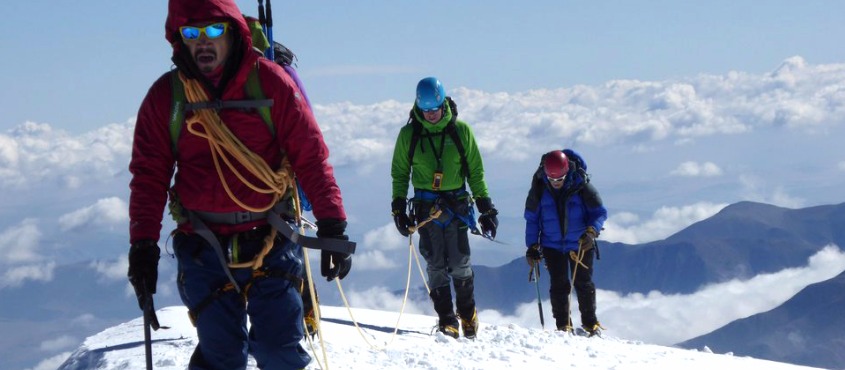
Climbing Season, Weather Conditions and Expedition Planning in the Altai Mountains
Khuiten Peak (4,374 m) is Mongolia's highest mountain, located in the remote Altai Tavan Bogd massif of western Mongolia, near the borders of Russia and China. The mountain offers a challenging and rewarding alpine climbing experience, combining glacier travel, high-altitude trekking and spectacular scenery.
The main climbing season generally runs from late June to early September, with July and August offering the most favorable conditions for guided mountaineering expeditions.
Mongolia Expeditions has been organizing mountaineering, trekking and adventure expeditions throughout Mongolia since 2004. Based on our experience in the Altai Mountains, we recommend allowing sufficient time for acclimatization, glacier travel and possible weather delays.
When Is the Best Time to Climb Khuiten Peak?
July and August are generally the best months to attempt Khuiten Peak. During this period, the days are relatively long, access routes are usually open, and temperatures are more manageable than during the colder months.
However, the weather in the Mongolian Altai can change rapidly, even in midsummer. Snowfall, strong winds and poor visibility can occur at any time.
Climbing Conditions by Month
June
Conditions: Snow-covered slopes, variable weather and possible deep snow.
Recommendation: Suitable for experienced climbers.
July
Conditions: Long daylight hours, relatively mild temperatures and changing glacier conditions.
Recommendation: Recommended.
August
Conditions: Generally favorable climbing conditions, colder nights and potentially more exposed glacier ice.
Recommendation: Recommended.
Early September
Conditions: Colder temperatures, shorter days and possible early snowfall.
Recommendation: Experienced climbers.
October–May
Conditions: Severe winter conditions, deep snow and difficult access.
Recommendation: Not suitable for regular commercial expeditions.
Understanding the Khuiten Peak Climbing Route
The standard ascent of Khuiten Peak involves traveling across the Potanin (Khuiten) glacier, one of Mongolia's largest glaciers.
Our expeditions generally use the following camps:
Base Camp: Approximately 3,100 m, depending on the selected campsite and route conditions.
Advanced Base Camp: Approximately 3,700 m, situated higher on the glacier approach.
Khuiten Summit: 4,374 m above sea level.
The ascent requires appropriate mountaineering equipment, including crampons, ice axes, helmets, harnesses and ropes.
Crevasses are among the principal hazards on the glacier. Their location and visibility change throughout the season, particularly as snow bridges weaken or fresh snowfall conceals openings.
For this reason, our mountain guides assess glacier conditions before each ascent and use roped travel where required.
Weather and Temperatures in the Altai Mountains
Weather conditions in the Altai Mountains are highly variable. Even during the main summer season, climbers should be prepared for freezing temperatures, snowfall and strong winds.
At Base Camp, daytime temperatures can be relatively comfortable in sunny weather, while nighttime temperatures may fall below freezing.
At higher elevations, temperatures are considerably colder, particularly before sunrise and during windy conditions.
Typical conditions climbers should prepare for include:
Freezing temperatures during early-morning departures.
Strong winds and significant wind chill on exposed ridges.
Sudden snowfall or rapidly deteriorating visibility.
Afternoon cloud development and possible thunderstorms.
Changes in glacier surface conditions as temperatures rise.
Summit attempts are generally planned for early morning, depending on weather forecasts, snow conditions and the team's progress.
Why Acclimatization Is Important
Although Khuiten Peak is below 4,500 meters, altitude can still affect climbers, particularly those arriving directly from low elevations.
We recommend including adequate acclimatization time before the summit attempt.
One possible acclimatization climb is Malchin Peak (approximately 4,050 m), another mountain in the Altai Tavan Bogd massif.
Climbing Malchin can help participants become familiar with high-altitude conditions while allowing guides to evaluate the group's fitness, equipment and readiness.
However, acclimatization requirements vary between individuals, and the itinerary should remain flexible.
How Difficult Is Khuiten Peak?
Khuiten Peak is a genuine alpine mountaineering objective rather than a conventional trekking summit.
The normal route involves glacier travel, crevasse hazards, snow and ice slopes, and potentially challenging weather.
Participants should have good physical fitness and preferably some previous mountain hiking or climbing experience.
Previous experience using crampons, ice axes and ropes is an advantage.
Our guides provide technical guidance and safety briefings, but participants must be prepared for long climbing days and demanding mountain conditions.
What Can Prevent a Successful Summit?
Reaching the summit depends on several factors:
Weather: Strong winds, snowfall and poor visibility can make an ascent unsafe.
Glacier conditions: Crevasses, snow bridges and unstable snow conditions may require route changes or cancellation of a summit attempt.
Acclimatization: Some participants may experience altitude-related symptoms that prevent further ascent.
Physical fitness: Climbers must be capable of sustained uphill movement and a safe descent.
Time available: A flexible itinerary allows guides to adjust the summit attempt according to conditions.
At Mongolia Expeditions, safety takes priority over reaching the summit. The final decision to proceed, delay or turn back is made by the expedition leader based on the conditions encountered.
How Many Days Are Needed for a Khuiten Peak Expedition?
We generally recommend planning approximately 10-12 days for an expedition from Ulaanbaatar, depending on the itinerary, domestic flight schedules and the group's experience.
A typical programme includes arrival in western Mongolia, overland travel to Altai Tavan Bogd National Park, trekking to Base Camp, acclimatization, the ascent to Advanced Base Camp, a summit attempt and the return journey.
Longer itineraries provide greater flexibility for weather changes and acclimatization.
Our expedition teams arrange the necessary logistics, including transportation, camping equipment, meals, guides and load transport according to the selected route and programme.
Climb Khuiten Peak with Mongolia Expeditions
Mongolia Expeditions has been organizing trekking and mountaineering expeditions in the Mongolian Altai since 2004.
Our mountain guides have over 10 years of practical mountaineering and guiding experience. They have extensive knowledge of the Altai Mountains, including local terrain, climbing routes, glacier conditions and regional weather patterns.
Our guides have completed mountaineering and safety training courses conducted by the Mongolian Mountaineering Federation. Although they do not hold international mountain guiding certifications, their extensive field experience and local knowledge are valuable assets in planning and leading expeditions in the Mongolian Altai.
Their familiarity with the mountains allows them to assess local conditions, adapt climbing plans and make informed decisions during expeditions.
We organize both private expeditions and group departures, with programmes adapted to participants' experience, available time and climbing objectives.
Our priority is to provide well-organized expeditions with careful attention to safety, preparation and changing mountain conditions.
Explore the Altai Mountains and climb Mongolia's highest peak with Mongolia Expeditions — Adventure Experts since 2004.
Frequently Asked Questions
What is the best month to climb Khuiten Peak?
June, July and August generally offer the most favorable combination of weather, daylight and accessibility.
Can beginners climb Khuiten Peak?
Physically fit beginners with suitable preparation may participate in a guided expedition, but the climb requires glacier travel and technical mountaineering equipment.
How high is Khuiten Peak?
Khuiten Peak reaches 4,374 meters above sea level and is the highest mountain in Mongolia.
Is climbing Khuiten Peak dangerous?
Like other glaciated mountains, Khuiten Peak has objective hazards, including crevasses, severe weather and altitude-related illness. Our climbing route follows a rocky mountain ridge, passing through four main rock sections. The section between the third and fourth rock sections, located at an altitude of 4,100–4,200 metres, is the steepest, with slopes reaching approximately 60 degrees. Depending on snow and ice conditions, our guides may set up fixed ropes on this section when necessary, particularly in heavily iced conditions. However, fixed ropes are not always required, and their use is determined by the actual conditions during the ascent.
Experienced mountain guides, appropriate climbing equipment and careful planning help manage these risks. At Mongolia Expeditions, safety is always our priority.
How long does the climb take?
A complete expedition from Ulaanbaatar commonly requires approximately 10-12 days, depending on the programme and conditions.
Can Khuiten Peak be climbed in September?
Early September ascents are possible, particularly for experienced climbers, but colder temperatures, shorter daylight and early snowfall can make conditions more demanding.
 Mountaineering & Ski Tours
 Trekking Tours